In 2025, over 60% of internet users express concerns about online tracking and censorship, according to Cybersecurity Ventures. As governments and corporations increasingly monitor web traffic, maintaining privacy online has become a top priority. Proxy servers have emerged as a practical solution, offering a balance between anonymity, security, and performance. Platforms like PROXY-MAN provide ready-to-use proxy solutions, enabling both individuals and organizations to access the internet safely and efficiently.
What is a Proxy Server?
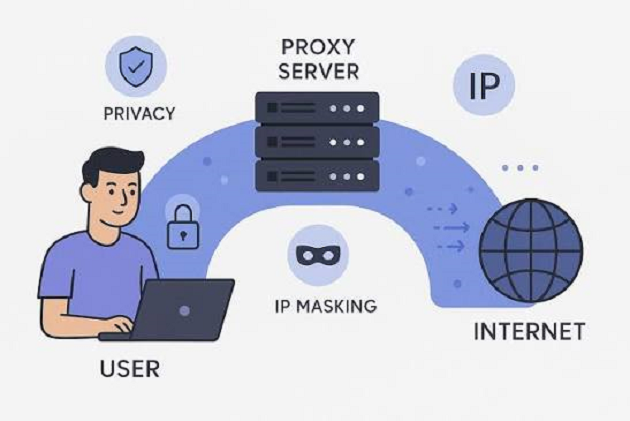
A proxy server is an intermediary between a user’s device—computer, smartphone, or tablet—and the internet. When a user requests a webpage, the request first passes through the proxy, which forwards it to the destination site. The website’s response then travels back through the proxy before reaching the user. This process hides the user’s real IP address and allows for additional features such as traffic filtering and caching.
Proxy servers are widely used across industries. For example, marketing firms often deploy them to collect competitive pricing data without revealing their location, while educational institutions use proxies to manage and control student access to online resources.
How Proxy Servers Work
The process is straightforward but highly effective:
- User Request: A user initiates a web request through their browser.
- Request Interception: The proxy intercepts and analyzes the request.
- Forwarding Request: The proxy sends the request to the target website on behalf of the user, masking the real IP.
- Response Retrieval: The website responds, sending data back to the proxy.
- Response Delivery: The proxy forwards the data to the user’s device.
This system allows proxies to manage traffic efficiently, enforce access policies, and provide a layer of privacy.
Key Functions of Proxy Servers
Proxy servers serve multiple purposes that go beyond simple anonymity:
- Anonymity and Privacy: Conceal real IP addresses to protect identity and prevent tracking.
- Bypassing Restrictions: Access content that may be geo-blocked or censored. According to GlobalWebIndex, 45% of internet users have faced regional restrictions on content in the past year.
- Malware Protection: Certain proxies filter traffic to block access to harmful or fraudulent websites.
- Traffic Optimization: Caching frequently requested resources can reduce network load and improve access speed.
- Corporate Access Control: Organizations can enforce policies and monitor employee internet usage efficiently.
Advantages of Using Proxies
- Enhanced Privacy: Protects user identity and location.
- Access Freedom: Bypasses firewalls and regional content restrictions.
- Content Filtering: Prevents exposure to harmful or inappropriate sites.
- Reduced Latency: Cached data speeds up repeated access to popular resources.
- Compliance and Monitoring: Companies can enforce corporate policies while maintaining operational efficiency.
Limitations and Considerations
Despite their advantages, proxies are not without limitations:
- Potential Vulnerability: A compromised proxy could expose user traffic.
- Limited Security: Most proxies do not encrypt data, unlike VPNs, which can be a concern for sensitive transactions.
- Variable Speeds: Heavy traffic on a proxy server may slow connections.
- Trust Dependence: Users rely on the proxy provider to handle traffic responsibly.
- Configuration Complexity: Initial setup can be more technical than consumer-friendly VPN services.
Why Proxies Remain Relevant
While VPNs are often promoted as the go-to solution for online security, proxies continue to serve important, specific needs. They allow selective traffic routing, making them ideal for activities such as web scraping, automated testing, and content localization. Businesses and individuals benefit from the flexibility proxies offer without the overhead of full VPN encryption. Platforms like PROXY-MAN ensure reliable connections and high performance, bridging the gap between security, speed, and usability.
Conclusion
Proxy servers are essential tools for navigating the modern internet. They provide privacy, access to restricted content, and network optimization. While limitations such as limited encryption and reliance on provider trust exist, careful selection of a reputable proxy provider can mitigate risks. For users and organizations seeking a practical solution for anonymity and control, trusted platforms like PROXY-MAN offer a reliable and effective pathway to safer, faster, and more flexible internet access.